More than 2,000 media stories on deportations and civilian hostages.
We have connected international journalists with survivors, witnesses, researchers and Ukrainian officials, providing stories and context to sustain coverage of these crimes.
Survivors' testimony brought directly to international decision-makers.
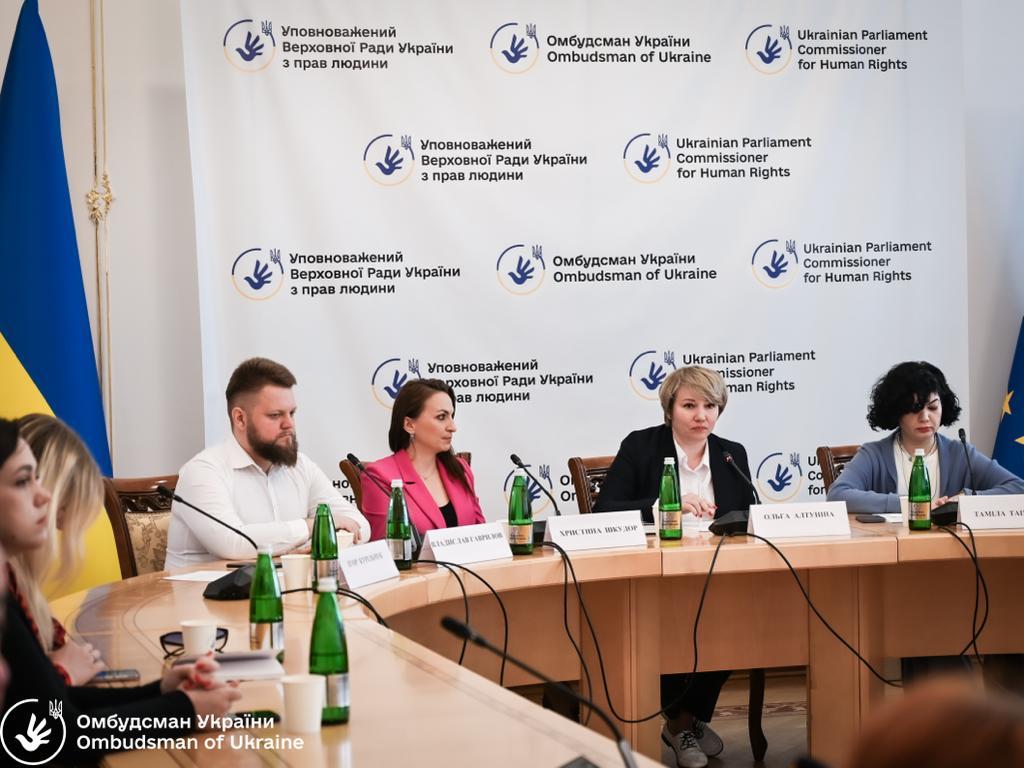
We helped organise a US advocacy visit, the UN Security Council event, testimonies at the Flemish Parliament in Belgium, advocacy meetings with decision-makers in Sweden, Brussels, the UK, the EU and NATO.
Contributions to sanctions and international justice efforts.
Working with partners, we contributed information to US and EU efforts that resulted in sanctions against 23 people. Our early advocacy also helped connect information about deportations with lawyers who subsequently submitted it to the International Criminal Court.
Lasting resources for research, journalism and public understanding.
We developed an interactive deportation map, published survivors' stories and research, and created guidelines for journalists interviewing children who had survived deportation. Our Encyclopedia of Deportations became the foundation for Erased Histories, combining historical research, art and public dialogue to explore deportations under the Russian Empire and the Soviet Union and their lasting consequences.