Erased histories

Uncovering the suppressed stories of deported national communities under the Russian Empire and the USSR

Erased Histories is a multidisciplinary project by PR Army, supported by the European Union through House of Europe, in partnership with Nordic Ukraine Forum (Sweden) and Going Public (France). The project combines historical research, artistic interpretation, and public dialogue to explore the forced deportations of national communities under Russian and Soviet regimes — and how these crimes still echo today through Russia’s ongoing war against Ukraine.

Artworks

By Pictoric

Anna Sarvira

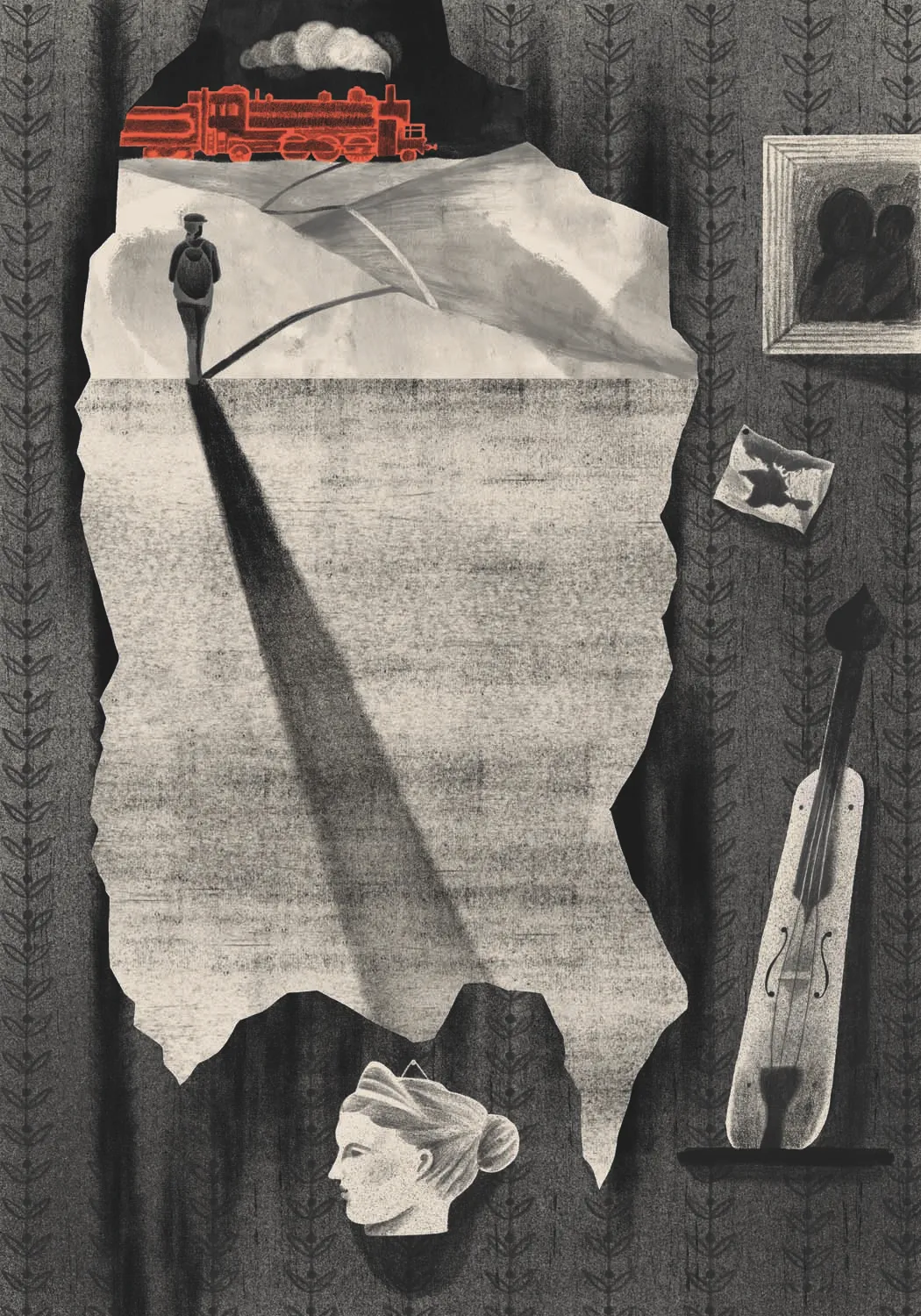
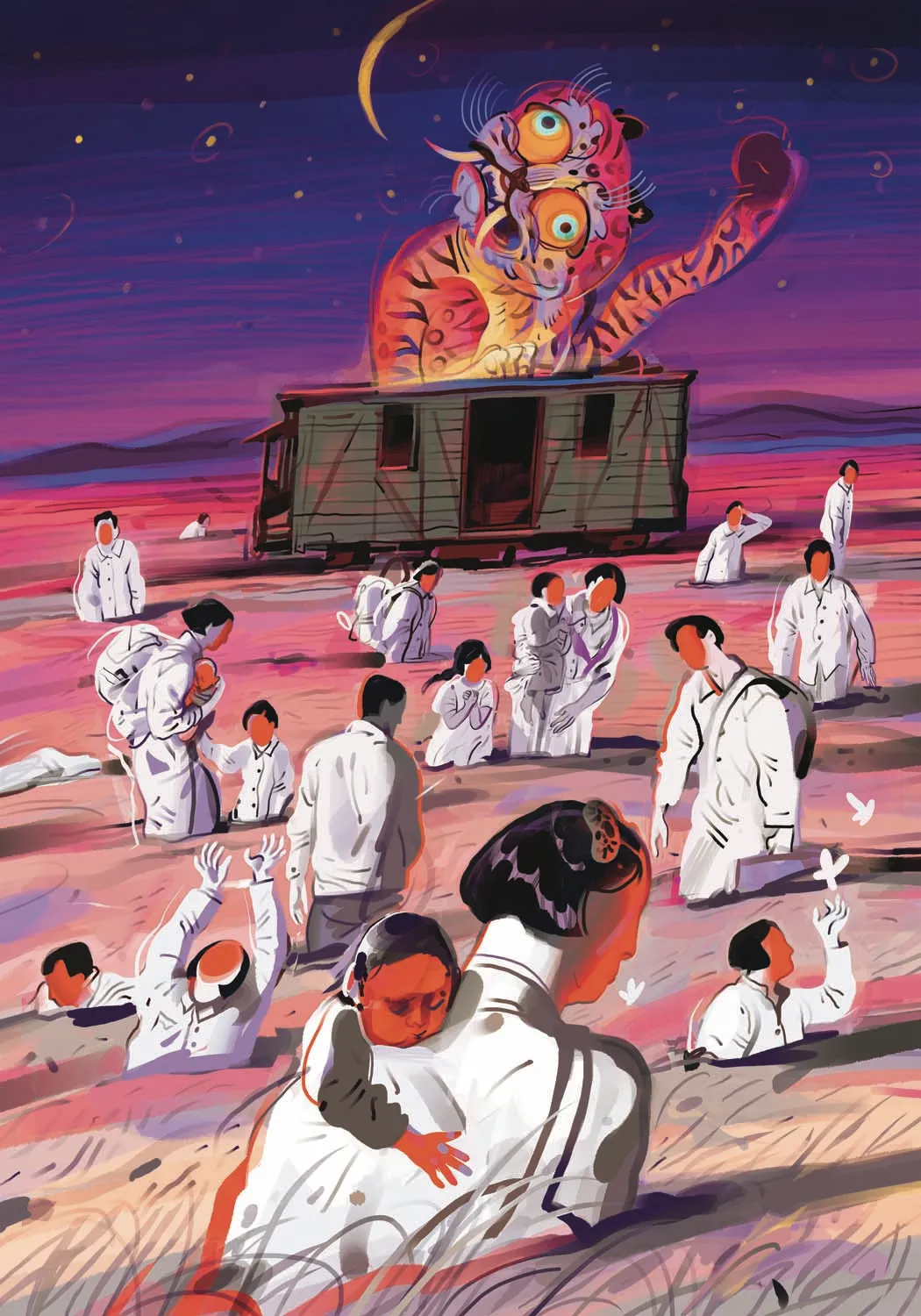
In May 1944, nearly 400,000 Crimean Tatars were forcibly deported from their homeland. Families were packed into cattle trains bound for Central Asia. The artwork evokes silence and exile — and the unbroken memory of return.

Zhenia Polosina

Ethnic Germans lived in Ukraine for over 1500 years, but Soviet rule shattered their communities. Between 1935 and 1941, and after World War II, tens of thousands were deported to labor camps, Siberia, and Central Asia, many dying from hunger and exhaustion. These images tell the story of loss, and the long search for home.

Sofiia Runova

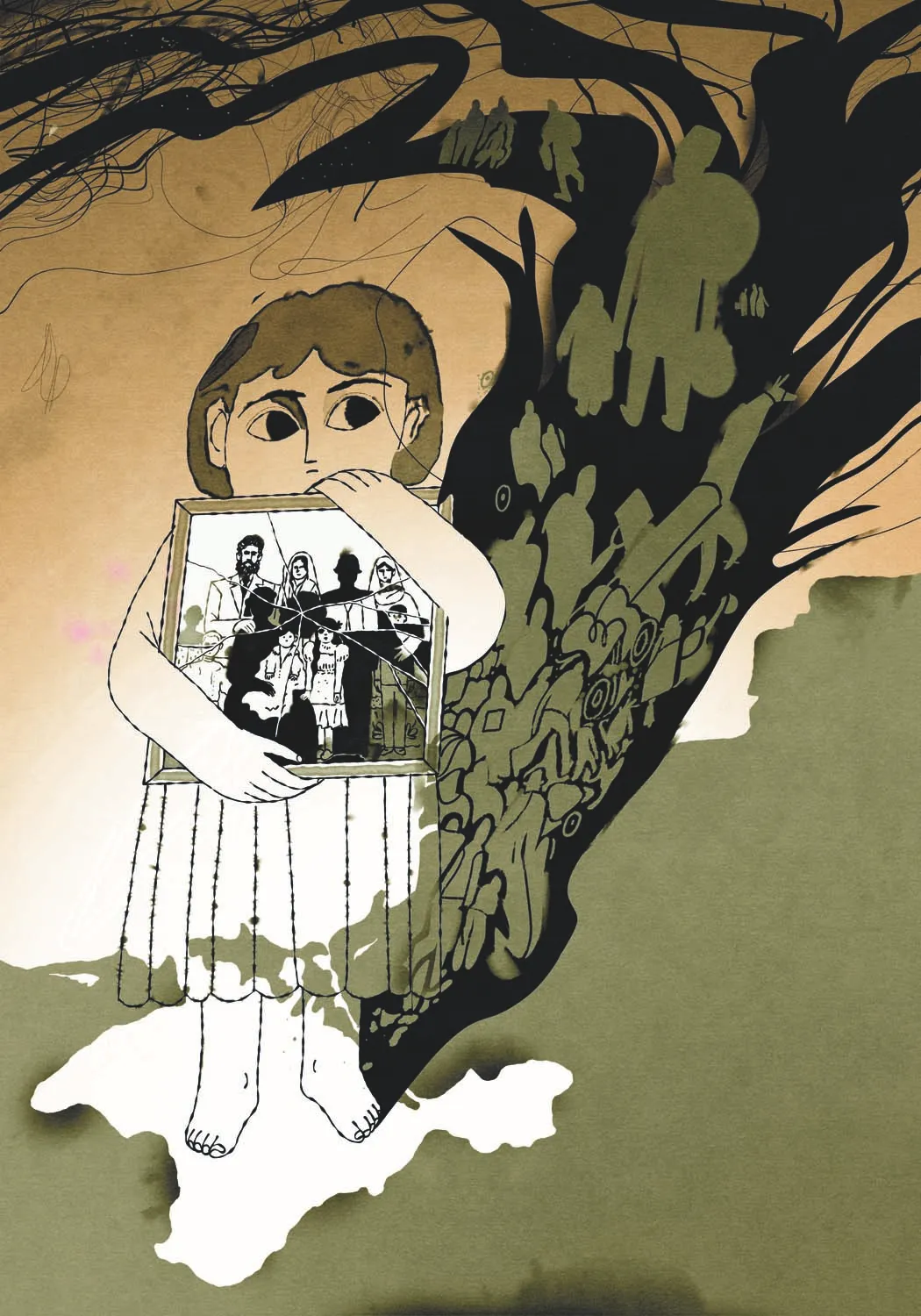
On June 27, 1944, the Soviet authorities forcibly deported Crimean Greeks, Bulgarians, Italians, and Armenians. Accused of desertion, collaboration, and aiding the Nazis, tens of thousands were sent into exile — including around 16,000 Greeks, 12,500 Bulgarians, and nearly 10,000 Armenians.In this painting, a frightened girl holds a photograph, remembering her family’s forced deportation.

Dariia Filippova

Greek culture deeply influenced Ukraine, from early Christianity to literature. Descendants of Hellenic colonies still live in southern Ukraine. Pontus was the homeland of the Pontic Greeks, over 30,000 of whom were deported to Kazakhstan and other remote regions of the USSR in 1942 and 1944. The painting shows the Pontic lyra, a symbol of their enduring culture.

Anna Ivanenko

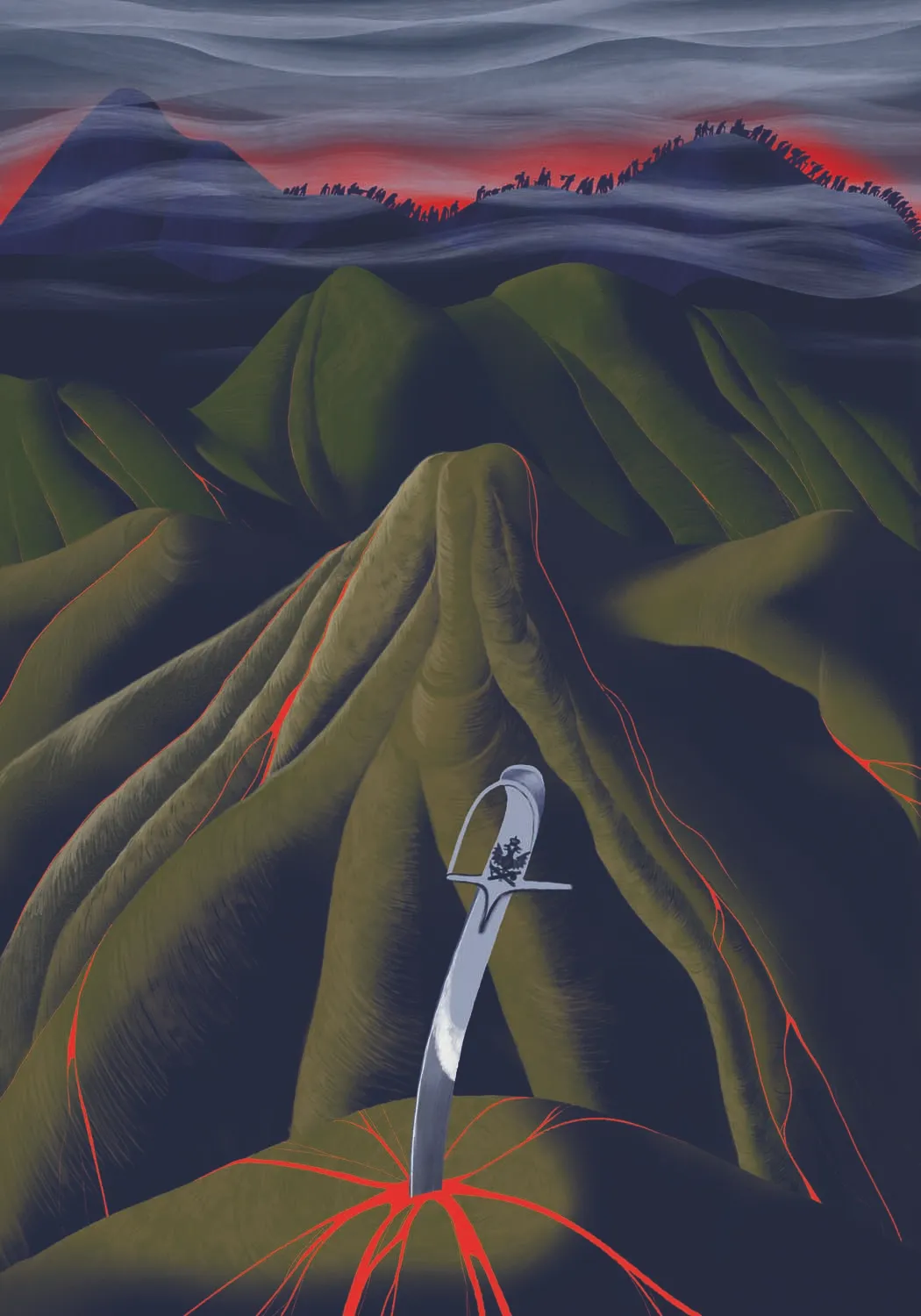
The Caucasian War, lasting over a century, saw the mass killing and deportation of the Circassian people. In this painting, the beauty of the Caucasus mountains contrasts with the tragedy, as rivers of Circassian blood spread across the land — a haunting reminder of the brutality of the Russian Empire.

Yuliia Tvieritina

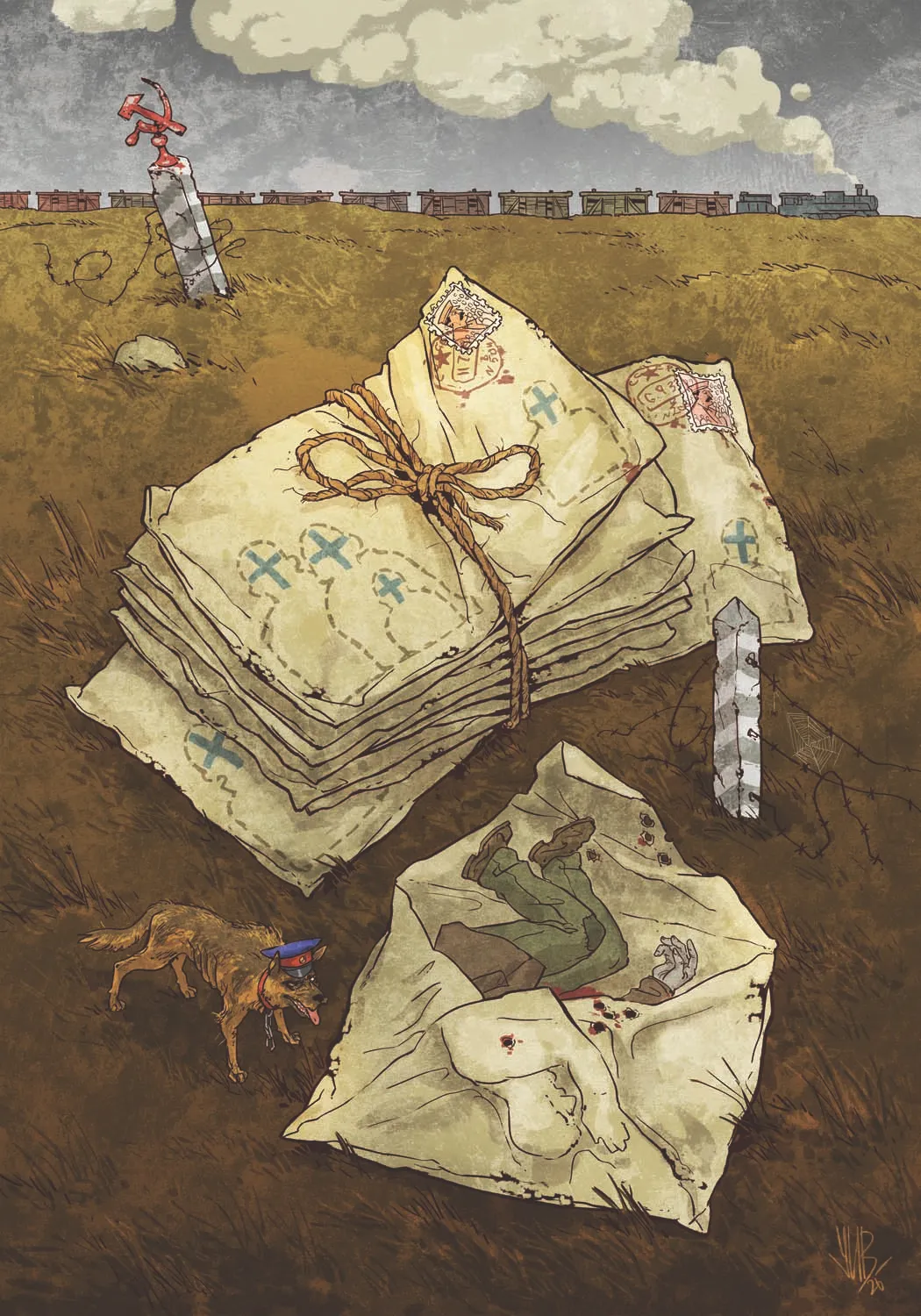
Another group targeted by Soviet deportations were ethnic Koreans. In the early 20th century, many Korean peasants fled Japanese occupation and settled in the Russian Far East. After Japan’s invasion of China on July 7, 1937, Soviet authorities accused them of spying and collaborating with the enemy. About 172,000 Koreans were forcibly relocated from border regions of the Far East to remote areas of Kazakhstan and Central Asia.

Nataliia Shulha

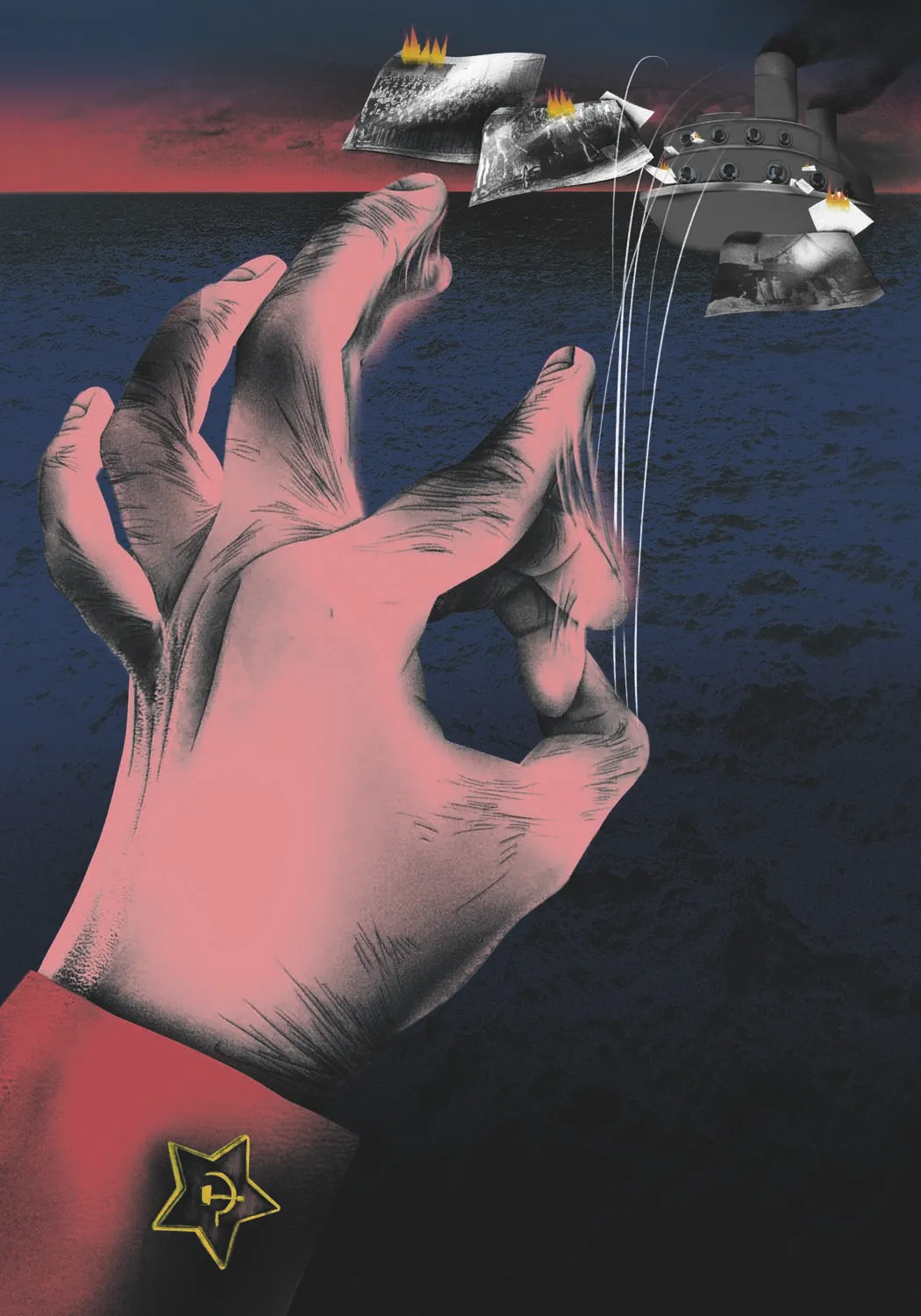
In February 1944, over 400,000 Chechens were forcibly deported by the NKVD in just eight days. This tragic event reflects the Soviet Union’s colonial policies, which continue to echo today in Russia’s treatment of the Chechen population.

Anna Andreieva

At the start of the 20th century, the Kalmyks gained an autonomous region but were later labeled “unreliable” and deported. On December 28, 1943, tens of thousands were sent overnight to Siberia and Central Asia, and their Kalmyk Autonomous Republic was abolished. A horse running across green hills symbolizes their homeland, slipping further from the Kalmyk people.

Zhenia Oliinyk

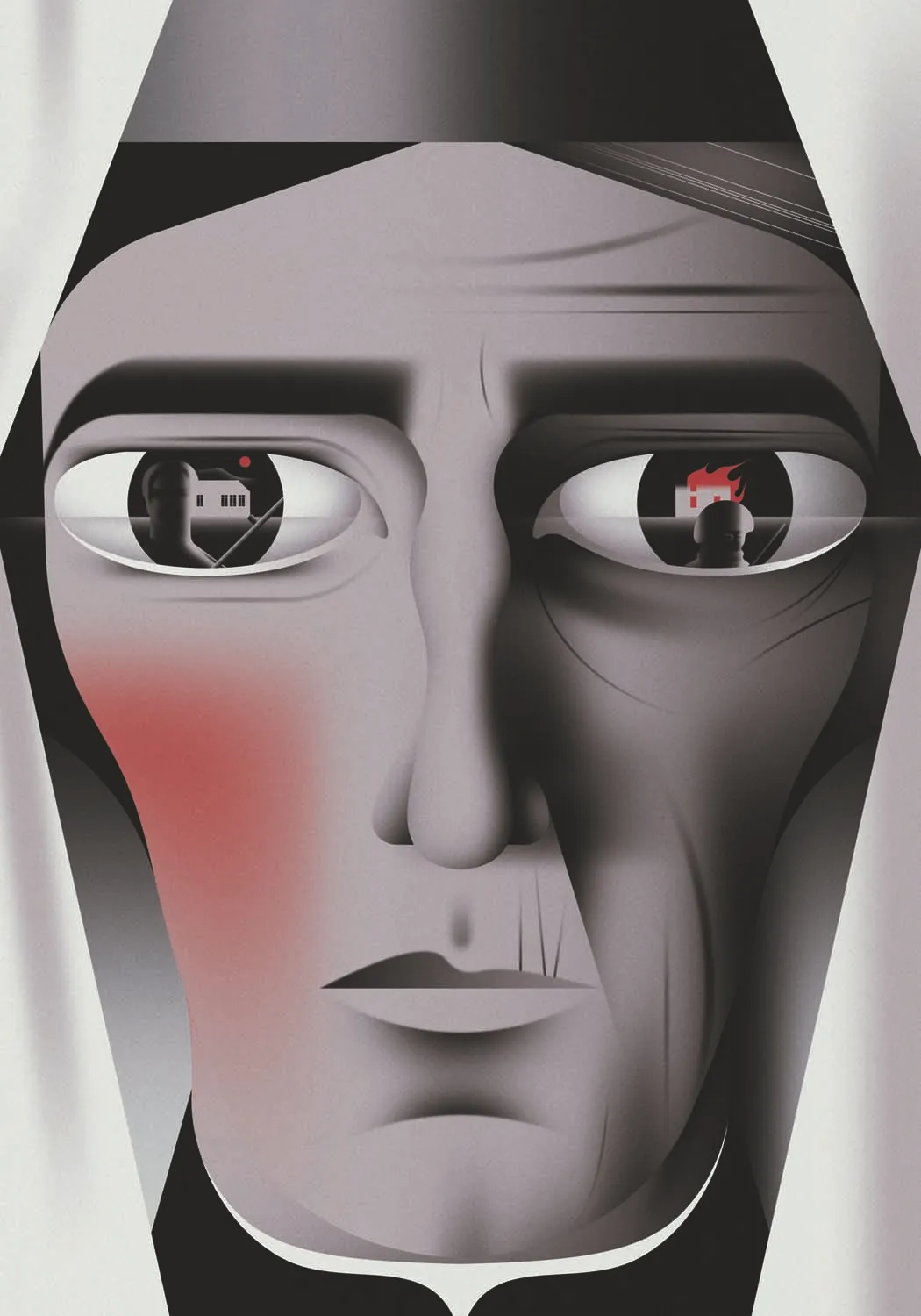
The 1944 deportation of Meskhetian Turks, Kurds, Hemshins, Lazes, and other groups from southern Georgia reflected years of Soviet repression. In the eyes of those who left their homes, one sees pain and despair — the very emotion the artist sought to capture in this work.

Illia Uhnivenko

During the second wave of collectivization in 1935–1936, about 41,000 Ingrian Finns were forcibly deported north to Siberia, Kazakhstan, and Central Asia. In 1937–1938, Soviet authorities completed the “ethnic cleansing” of the region: Ingrian Finns were no longer recognized as a distinct community, Finnish-language schools, newspapers, and theaters were closed, and the remaining intelligentsia faced repression.

Historical
Research

The project builds upon the Encyclopedia of Deportations — an evolving digital archive documenting more than a hundred deportation processes under the Russian Empire and the USSR. For Erased Histories, researchers expanded this work with new case studies, testimonies, and archival findings, focusing on national communities such as:

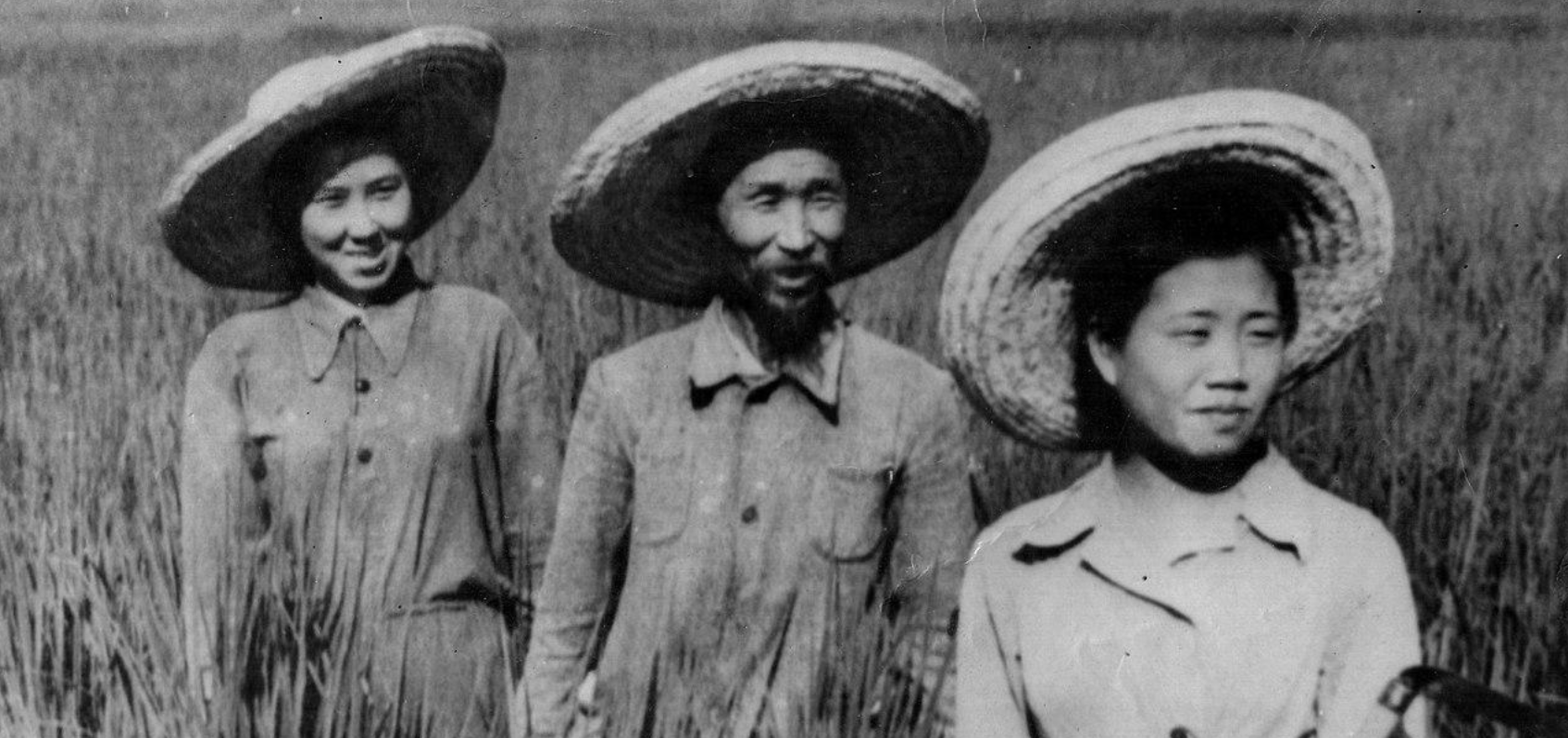
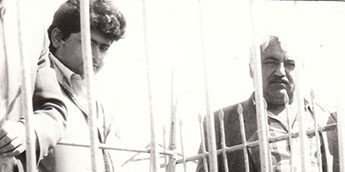
Deportation of ethnic Koreans in the USSR

The 1937 deportation of around 173,000 ethnic Koreans from the Soviet Far East to Kazakhstan and Uzbekistan — its causes, forced relocation, and tragic consequences.

  • #Encyclopedia

Deportation of Pontic Greeks in 1942, 1944, and 1949: Reasons, Number of Deportees, and Places of Exile

Learn about the three waves of Pontic Greek deportations—their historical background, causes, consequences, and the harsh living conditions faced in exile.
  • #Encyclopedia

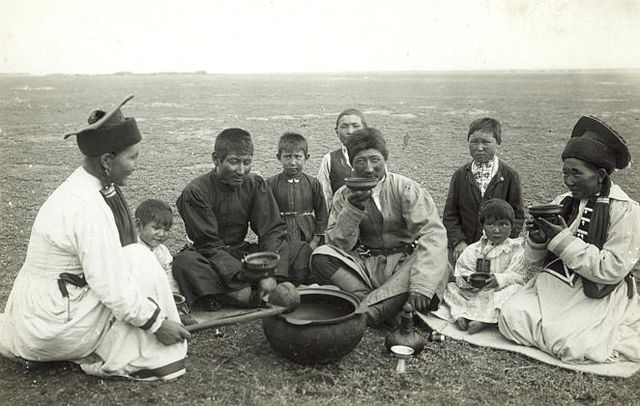
Deportation of Kalmyks in 1943

This article explores the 1943 deportation of the Kalmyk people under Stalin, detailing its causes, brutal execution, life in exile, and long-term consequences for the Kalmyk nation.
  • #Encyclopedia

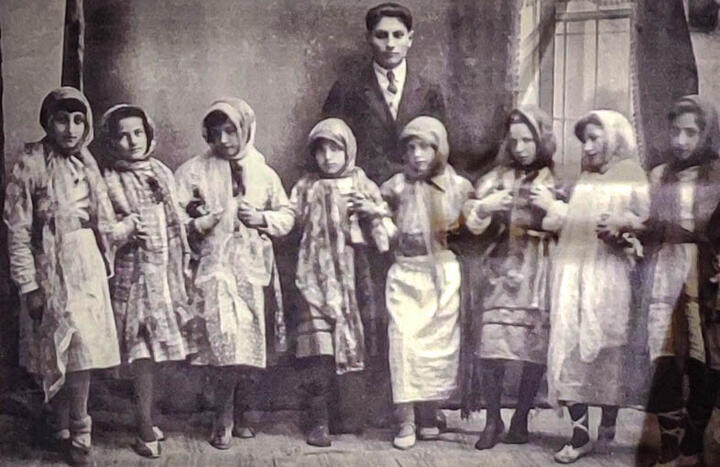
Deportation of Armenians from Crimea

This article examines the history of Armenians in Crimea and the tragic deportations they faced, focusing on the mass resettlements of 1778 and 1944, their causes, conditions, and consequences.
  • #Encyclopedia

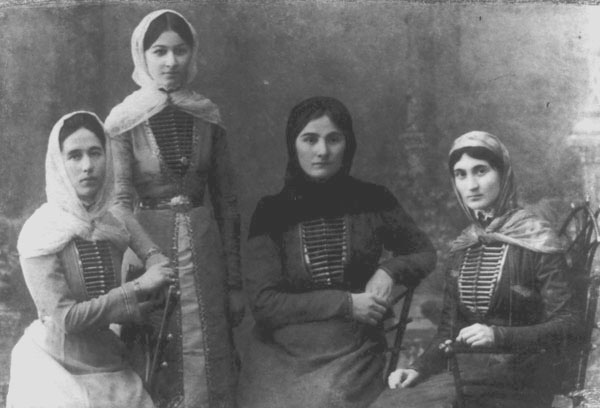
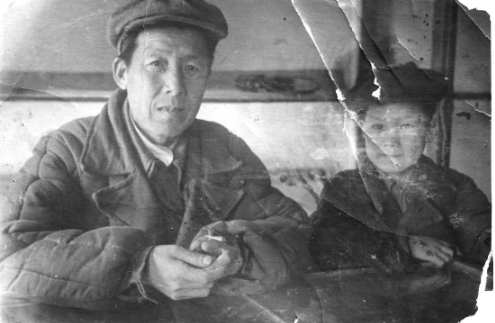
Deportation of the Balkars in 1944

This article explores the 1944 deportation of the Balkars, detailing the Stalinist accusations that led to their forced removal, the brutal journey into exile, and the devastating consequences for the community.
  • #Encyclopedia

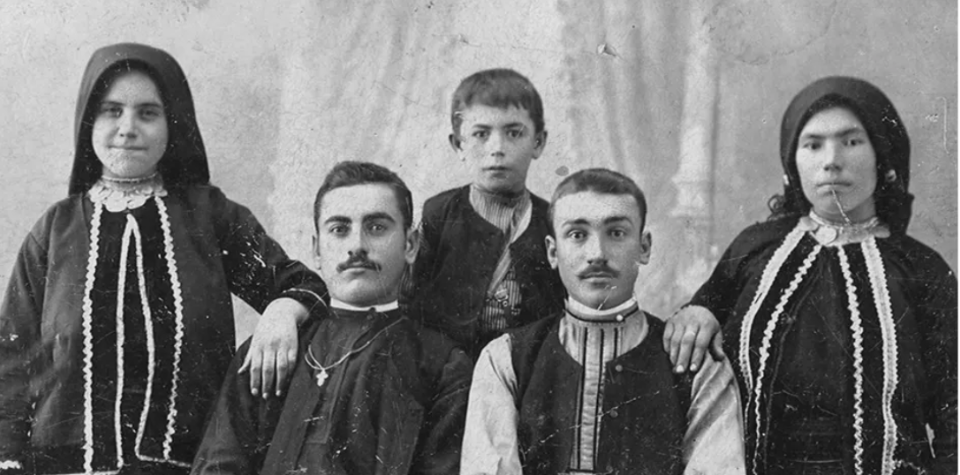
Deportations of Chinese (1926–1937) and Executions of Chinese in 1938

This article explores the history of the Chinese community in the Russian Far East and the Soviet Union’s repressive policies toward them between 1926 and 1938.
  • #Encyclopedia

Deportation of ethnic Bulgarians from Crimea in 1944

This article explores the 1944 deportation of the Balkars, detailing the Stalinist accusations that led to their forced removal, the brutal journey into exile, and the devastating consequences for the community.

  • #Encyclopedia

Events and
Exhibitions

Erased Histories comes to life through multimedia exhibitions and discussions across Europe. Each event features artworks, testimonies, and presentations by historians, artists, and descendants of deported communities.
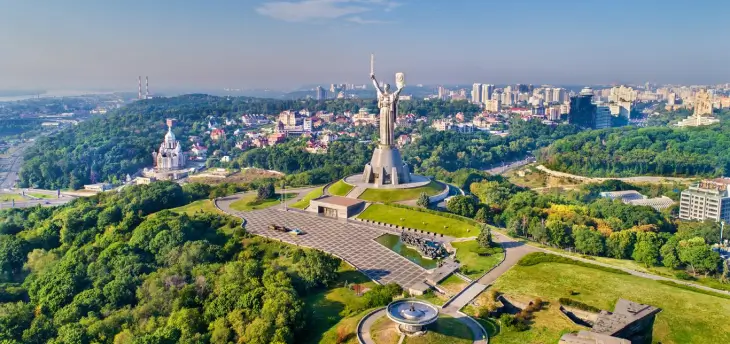
Kyiv, Ukraine
(19 September 2025)

Launch event at the Ukrainian Crisis Media Centre. Featured speakers included Anton Drobovych, Anatolii Khromov,
and representatives of Crimean Tatar
and Greek communities.


Read More

Paris, France
(10 December 2025)

Exhibition and panel discussion at the Europa Experience – European Parliament in Paris.

The event will focus on the role of Europe in preserving historical justice.

Read More
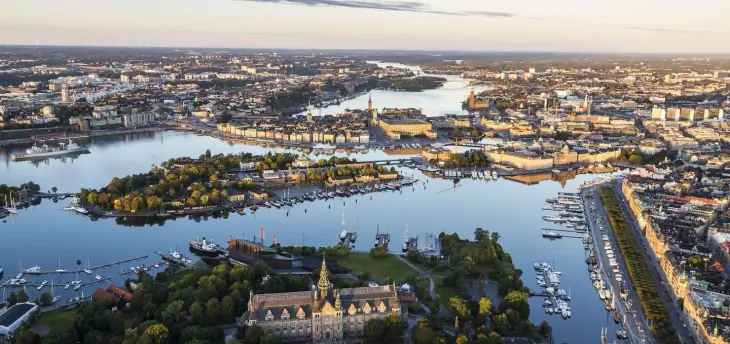
Stockholm, Sweden
(12 November 2025)

Exhibition and discussion at the Stockholm School of Economics during the Hromada Network Public Conference 2025.


Read More

In the Media

Project Erased histories
is supported by
the European Union
under
the House of Europe
programme.

DON’T MISS IT

Subscribe for our news and update